
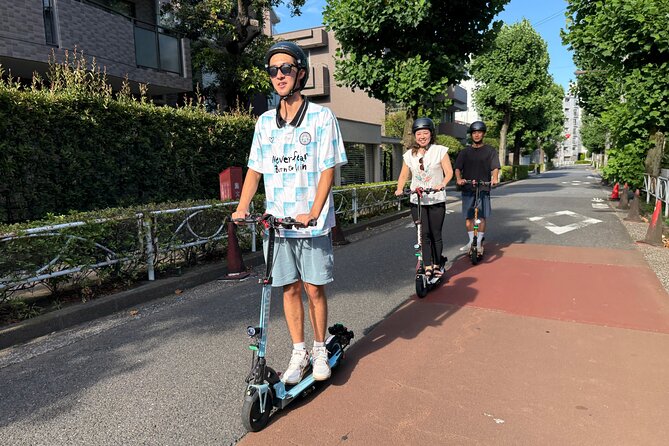
Review · JAPAN
Shibuya Electric Bike Tour of Tokyo’s Most Expensive Neighborhood
Tokyo’s famous crossing is only the beginning. This 2.5-hour electric-bike tour slips behind Shibuya’s bright signs and takes you into Shōtō, Komaba, Tomigaya, Yoyogi, and Yoyogi-Uehara, where quiet lanes, traditional homes, shrines, cafés, and modern architecture sit close together. You get a very different view of the city without traveling far from the center.
I like the small group limit of six, which should make street riding and conversation easier. I also like the mix of stops: a peaceful teahouse, a Shinto shrine, unusual public toilets, a vintage shop, and two local coffee breaks. The main thing to consider is that food and drinks cost extra, and the tour depends on good weather.
Key points to know before booking
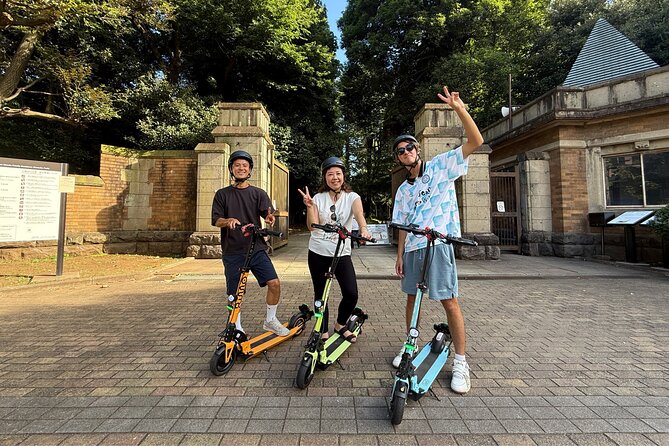
- Ride beyond central Shibuya: The route reaches Shōtō, Komaba, Tomigaya, Yoyogi, and Yoyogi-Uehara.
- Expect a small group: A maximum of six people keeps the outing personal and manageable.
- The bike has pedals: This is a pedal-assisted electric bike, not a sightseeing bus or motorized ride.
- The stops are local and varied: You’ll see a teahouse, shrine, park toilets, a vintage shop, coffee stands, and neighborhood streets.
- Guide Leo has led some tours: Guide availability can vary, but the experience includes an English-speaking guide.
- Budget for snacks: Coffee, the egg sandwich, and any bakery purchases are not included in the $52.03 price.
Why this ride reveals a quieter Tokyo
Shibuya is often treated as a place of crowds, giant screens, shopping, and late-night energy. This tour uses Shibuya as a starting point, then quickly heads into districts that feel far more residential.
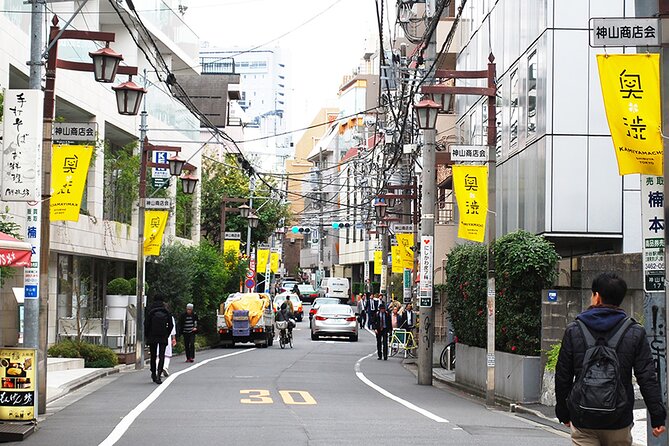
That change is the real point of the ride. You see a side of Tokyo that is easy to miss on a first visit. Narrow streets lead past older houses, carefully designed newer buildings, small cafés, and neighborhood shops. The route connects several districts, but it does not feel like a checklist of major sights.
I like this kind of touring because the bike gives you more range than a walking tour without putting you behind a vehicle window. You can cover several neighborhoods in one outing and still stop often enough to look around.
The pace also appears designed for sightseeing rather than speed. The route includes plenty of walking and standing at stops, so you are not pedaling for two and a half hours. Still, you should be comfortable riding an electric bike in an urban setting. The group size helps, but this is an active tour, not a passive city excursion.
More rides worth booking around the world:
- Florence Vespa Tour: Tuscan Hills and Italian Cuisine
★ 5.0 · 4,019 reviews - Scooter Tours of Red Rock Canyon
★ 5.0 · 2,174 reviews - Vespa Sidecar Tour By Night with Pickup
★ 5.0 · 1,803 reviews
Starting near Maruyamachō
The meeting point is Liquor Shop Matsumoto in Shibuya’s Maruyamachō area, at the Matsumotoya Saketen building. That puts you close to the main Shibuya zone, though you should allow time to find the exact shop and arrive ready to go.
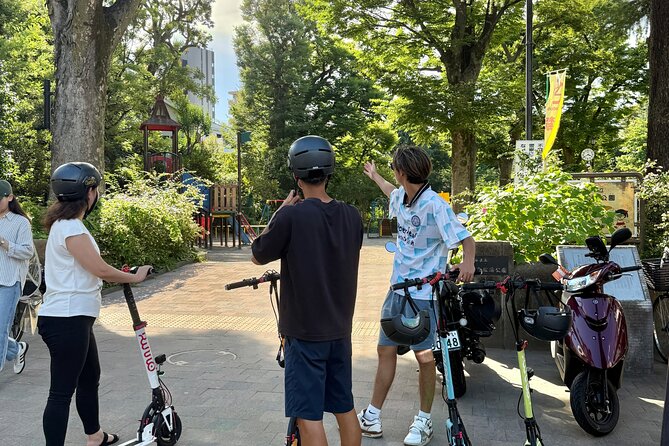
The tour includes an electric bike with pedals and an English-speaking guide. The supplied information describes the bike as an electric bike, while some comments use the word scooter. I would treat it as a pedal-assisted electric bike and confirm the exact vehicle details when booking if that distinction matters to you.
The maximum group size is six. That is a useful feature here. Small residential streets are easier to manage with a compact group, and you have a better chance to ask about architecture, religion, food, or daily life without losing the guide in a crowd.
One guide named in the tour feedback is Leo. He was praised for an easygoing approach and for making the outing feel like time spent with a local friend. You cannot assume Leo will lead every departure, but the comment gives you a sense of the intended tone: informal, social, and open to conversation.
Nabeshima Shoto Park and Tokyo’s unusual toilets
The first listed stop is Nabeshima Shoto Park. You spend about 10 minutes here, learning about the park and seeing a famous public toilet designed by a well-known Japanese architect.
That may sound like a modest opening, but public toilets are a surprisingly useful window into modern Tokyo. The city treats design and public space with care, and these facilities can be more interesting than the usual monument stop. The park also gives you a chance to settle into the bike, meet the guide, and take in the quieter mood of Shōtō.
Do not expect a long park visit. Ten minutes is enough for a short explanation and photos, not a full stroll. If you want extra time to explore the area on foot, you may need to return on your own later.
The Former Marquis Maeda Teahouse
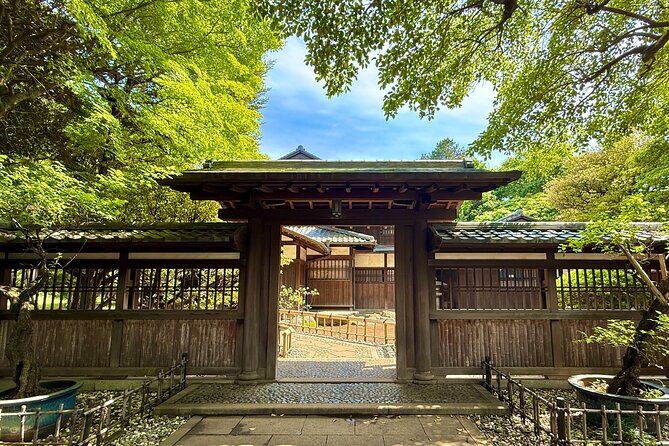
The longest stop is the Former Marquis Maeda Teahouse, with about 30 minutes set aside. Admission is included.
Here the ride shifts from street-level observation to a more deliberate look at traditional Japanese calm. You park the bikes and walk into a classic teahouse, where the focus is on quiet surroundings and the feeling of a refined old residence.
The value of this stop is contrast. In one part of the day, you are looking at futuristic public facilities and minimalist buildings. Soon after, you are inside a traditional teahouse with a very different sense of space and time.
The tour description does not include a tea ceremony or a drink, so do not book it expecting a formal tea experience. Think of it as a guided visit to a historic-style teahouse. Since admission is covered, this is one of the stronger inclusions in the price.
Same streets, different handlebars:
- Rome Morning Vespa Sidecar Tour in Rome with Cappuccino
★ 5.0 · 1,771 reviews - Budapest Small-Group Guided Tour on MonsteRoller e-Scooter
★ 5.0 · 1,517 reviews - Ho Chi Minh City: Food Tour by Scooter with Eleven Tastings
★ 5.0 · 1,502 reviews - Chianti Vespa Tour with Lunch from Florence & E-car Option
★ 5.0 · 1,453 reviews
Tomigaya’s small vintage shop
At Panamaboy Co., Ltd., you stop for about 10 minutes at a cozy vintage clothing and accessories shop in Tomigaya. This is not a major department store or a standard shopping stop. It is a quick look at the kind of independent business that gives a neighborhood its character.
Ten minutes is enough to browse, but not enough for a serious shopping session. If you find something you like, you may need to decide quickly. The value here is less about buying and more about seeing how the route moves through everyday commercial streets rather than only famous attractions.
Tomigaya also helps connect the tour’s different moods. It feels close to major Shibuya, yet the streets and businesses have a local scale. You begin to understand why the route is described as a tour of one of Tokyo’s most expensive areas. The appeal is not flashy luxury. It is the combination of desirable neighborhoods, carefully maintained streets, independent shops, and polished design.
Yoyogi Hachimangu Shrine and a lesson in Shinto
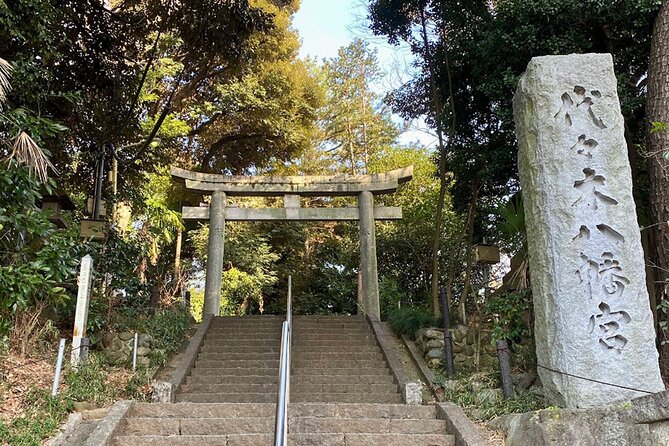
The Yoyogi Hachimangu Shrine stop lasts about 20 minutes. Your guide walks with you through the shrine and explains Shinto, Japan’s traditional religion, along with the manners used when visiting a shrine.
This is one of the most useful parts of the tour for a first visit to Japan. Shrine customs can seem simple once you know them, but without context, visitors often miss the meaning of the entrance, the purification area, the offering space, and the respectful behavior expected there.
The short visit will not cover every aspect of Shinto. It should, however, give you enough background to approach other shrines with more confidence during the rest of your trip.
The shrine also fits the route well. Yoyogi-Hachiman and nearby Yoyogi-Uehara have a suburban feel, yet they are close to central Tokyo. You get a look at traditional religious space surrounded by ordinary city life, rather than seeing a shrine as an isolated attraction.
Coffee, public design, and the Yoyogi neighborhood
The tour includes two short café breaks. At Little Nap Coffee Stand, you have about 15 minutes for a quick coffee stop. Food and drinks are not included, so bring some yen or a payment method accepted by the café.
A brief café visit may not satisfy someone seeking a long sit-down break. It does, however, give you a chance to pause, ask questions, and observe the local rhythm. The tour uses these stops as part of the neighborhood experience, not as elaborate meal breaks.
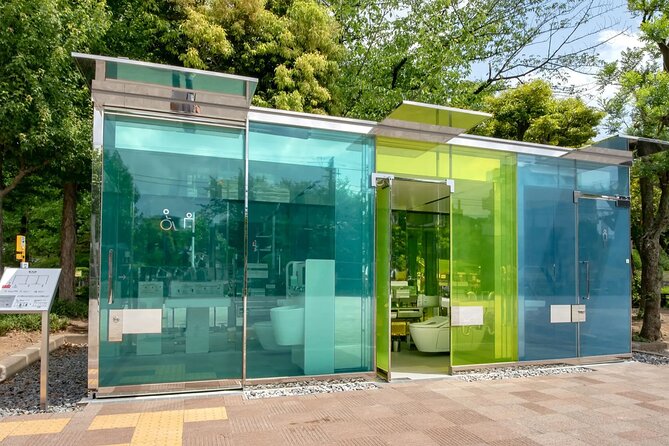
At Yoyogi Fukamachi Mini Park, you spend around 10 minutes seeing Japan’s first public toilet to use light-control film. A button changes the glass from transparent to opaque.
This is another small but memorable design detail. The tour’s public-toilet stops may sound quirky, but they show how Tokyo turns ordinary infrastructure into something thoughtful and sometimes playful. You also get a second chance to pause away from the main streets.
If you are mainly interested in temples, gardens, or grand architecture, these stops may feel too specialized. If you enjoy design, urban details, and odd bits of city culture, they add plenty of character.
The egg sandwich at CAMELBACK
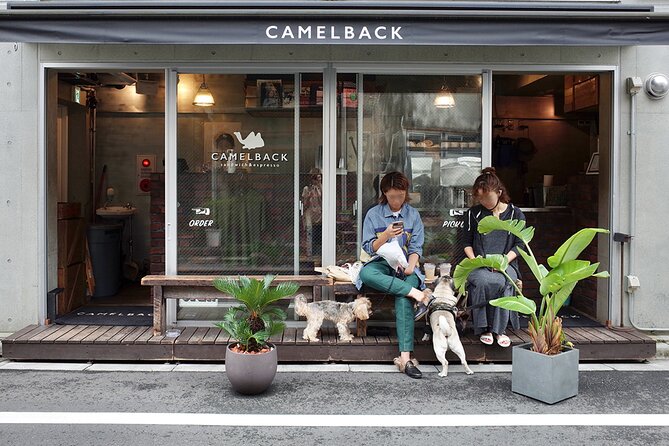
The final listed stop is CAMELBACK sandwich&espresso, with about 15 minutes for a break. Its signature egg sandwich is made by a former sushi chef, and you can also order coffee.
The sandwich is not included in the tour price, so treat this as an optional food stop. It is a practical way to sample a local favorite without committing to a full restaurant meal. The short timing means you should not expect a leisurely lunch.
I like that the food stop has a clear local identity. It is more specific than simply stopping at a chain café, and the sushi-chef connection gives the egg sandwich a Japanese angle without pretending it is a traditional dish.
If you are hungry, eat something before the tour or plan to purchase food here. The route includes coffee and snack opportunities, but it is not sold as a meal tour.
What the $52.03 price really covers
At $52.03 per person, the price is reasonable if you want transportation, a guide, and several small admissions and stops in one package. The electric bike lets you reach areas that would take longer on foot, while the guide supplies the local context that a self-guided ride would lack.
The price includes the bike, English-speaking guide, and admission to the Former Marquis Maeda Teahouse. That inclusion matters because the teahouse is the main formal cultural stop.
You pay separately for coffee, sandwiches, bakery snacks, and tips. Those extras can remain modest if you only buy one drink, but the total rises if you treat both café stops as full food breaks.
The tour also offers group discounts, although the exact discount is not provided here. If you are booking with several people, check the final price before paying. With a maximum of six people, the group discount may make the outing more appealing for families or friends traveling together.
Who will get the most from this tour
I would choose this ride if you have already seen, or plan to see, the main Shibuya sights and want a quieter side of the district. It works especially well early in a Tokyo visit because the guide can give you cultural basics that help elsewhere, particularly at Shinto shrines.
It also suits people who like:
- Neighborhood streets more than major landmarks
- Architecture and public design
- Short cultural stops with explanation
- Coffee shops and small local businesses
- A compact group with room for conversation
- Active sightseeing by bike
I would think twice if you dislike cycling, want a long stop at each attraction, or expect a full meal and formal tea ceremony. The tour moves through many places in a limited time. You see each stop briefly, then get back on the bike.
The itinerary includes walking at the teahouse and shrine, along with several pauses. Comfortable clothing and shoes make sense. Because the activity requires good weather, a rainy forecast can affect your plans. If the operator cancels for poor weather, you can choose another date or receive a full refund.
Practical booking advice
Confirmation arrives at booking, and the meeting point is near public transportation. The tour ends back at the starting point, which makes it easier to continue your day in Shibuya afterward.
The tour is listed as suitable for most people, but you should be comfortable riding a pedal-assisted electric bike. If you have concerns about riding ability or the exact vehicle, ask the provider before booking.
Book ahead if your schedule is fixed. The experience averages about 130 days between booking and the tour date, which suggests that popular dates may fill well before arrival. At the same time, the small group limit means you should not expect unlimited last-minute availability.
Free cancellation applies when you cancel at least 24 hours before the start time. Changes or cancellations inside that window are not accepted for a refund. Cutoff times use Tokyo local time, so keep that in mind if you are booking from another time zone.
Should you book the Shibuya electric-bike tour?
Book it if you want to see how quickly Tokyo changes from high-rise Shibuya to quiet residential streets. The strongest parts are the small group, the mix of old and new, the teahouse visit, the shrine explanation, and the chance to ride through districts you might otherwise skip.
The $52.03 cost is fair for the bike, guide, and included teahouse admission, but remember that food and drinks are extra. I would treat the café stops as optional tasting opportunities rather than included meals.
This is not the right choice for a landmark-heavy Tokyo tour or a long, relaxed food outing. It is a better fit for someone who wants local streets, unusual design details, cultural context, and an easygoing ride close to central Shibuya.
FAQ
How long does the Shibuya electric-bike tour last?
The tour lasts approximately 2 hours and 30 minutes.
How much does the tour cost?
The listed price is $52.03 per person. Group discounts are available, though the exact discount is not specified.
Where does the tour begin?
The tour begins at Liquor Shop Matsumoto in Maruyamachō, Shibuya, Tokyo, at the Matsumotoya Saketen building.
Where does the tour end?
The activity ends back at the meeting point.
What is included in the price?
The price includes an electric bike with pedals, an English-speaking guide, and admission to the Former Marquis Maeda Teahouse.
Are food and drinks included?
No. Food and drinks are not included. Coffee, sandwiches, and any bakery snacks cost extra.
What neighborhoods does the tour visit?
The route includes Shōtō, Komaba, Tomigaya, Yoyogi, Yoyogi-Uehara, and Oku-Shibuya.
How many people can join the tour?
The tour has a maximum of six people.
What happens if the weather is poor?
The experience requires good weather. If the operator cancels because of poor weather, you can choose a different date or receive a full refund.
Freshly added rides around the world
- Electric Scooter Tour: Full Tour (Old Town + Ostrów Tumski)★ 5.0 · 3 reviews
- Vespa Voyage: Scenic Routes of Rome★ 5.0 · 41 reviews
- Vespa – Wine and Photography service in Rome★ 5.0 · 32 reviews
- Visit Hossegor on an all-terrain electric scooter – with a guide★ 4.7 · 4 reviews
- Rome: Vespa Tour with Gelato and Photos★ 4.9 · 7 reviews
- Vespa Tour with Professional Photographer★ 4.9 · 9 reviews
- Vespa tour with Professional Photoshoot★ 4.8 · 22 reviews
- Vespa Tour in the Hills of Bologna★ 5.0 · 22 reviews
Japan Scooter Tours, compared.
Night E-Scooter Ride to Tokyo Tower – No License Needed
Read our review →
Tokyo: E-scooter Experience & Tokyo Tower night Tour
Read our review →
Free delivery to hotel : E-Scooter rent/No license required
Read our review →
Tokyo: E-scooter Experience in Shibuya with Iconic Photos
Read our review →
Tokyo: Ninja E-Scooter Tour with English Speaking Guide
Read our review →Other lists with this scooter ride