
Review · BANGKOK
Bangkok: Riverside E-Scooter Adventure with StreetFood Snack
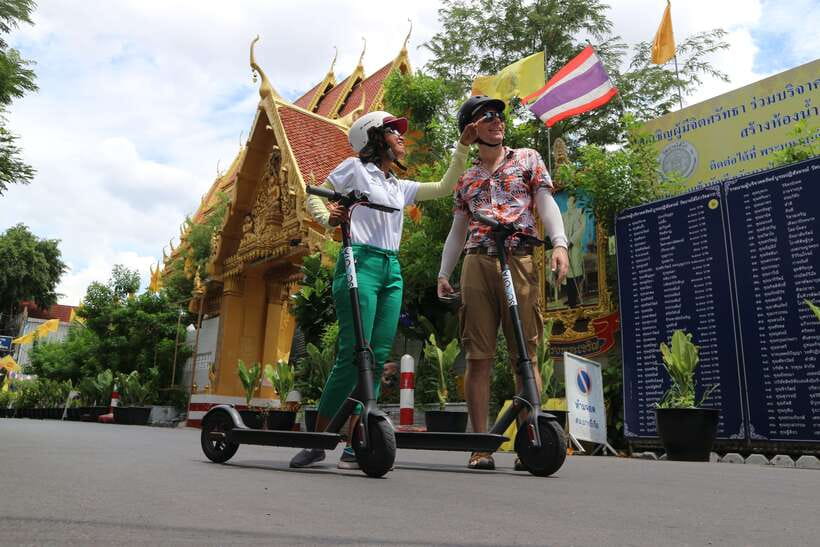
Bangkok reveals itself best at street level, and this tour gets you far beyond the usual temple route. You ride a Xiaomi e-scooter through Thonburi lanes, across the Chao Phraya by bridge and ferry, through Chinatown, and into old riverside communities. Along the way, you eat fruit, market food, Chinese-influenced dishes, and Portuguese-style muffins.
I like the reach of the scooter. In three hours, you cover narrow lanes, markets, temples, and neighborhoods that would take much longer on foot. I also like the food stops, especially the mix of papaya salad, fried chicken, pork skewers, dumplings, fruit, and Kudeejeen muffins.
The main consideration is that this is an active city ride, not a slow sightseeing walk. Bangkok can be hot, traffic can be busy, and you need to be at ease on a scooter. A short practice session helps, but the tour is not suitable for children under 14, people under 140 centimeters, pregnant women, or people with mobility impairments.
Key points at a glance
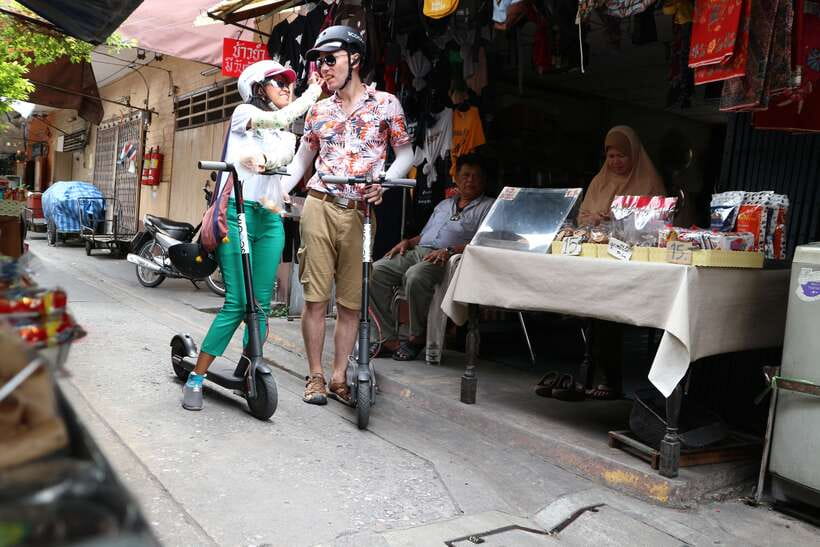
- Ride through real neighborhood lanes: See Thonburi, Chinatown, Talat Noi, Kudeejeen, and local market streets that are easy to miss by taxi.
- Eat as you go: Thai fruit, street food, market dishes, and Portuguese-influenced muffins are included in the price.
- Cross the river twice: Ride over the Memorial Bridge, then return by local ferry for two different views of Bangkok.
- Visit Wat Prayoon: Feed the friendly turtles near this riverside temple and enjoy a calmer stop away from the traffic.
- Small groups make a difference: The tour is limited to eight people, allowing guides such as Jobe, Pong, Phillip, or Tony to offer help and answer questions.
- Allow extra travel time: The meeting point is near Itsaraphap MRT station, but a downtown taxi can take up to an hour in rush hour.
Why the e-scooter changes the Bangkok experience
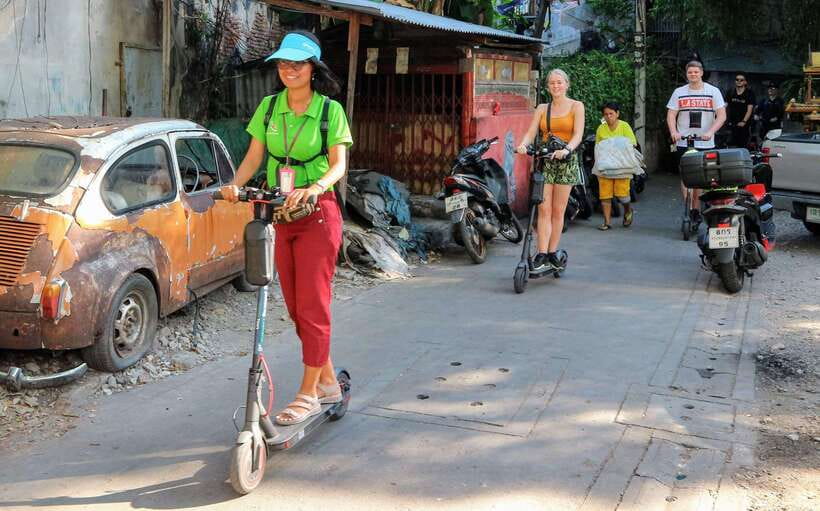
Bangkok is too spread out for a short walking tour to show you much beyond one district. The e-scooter gives you a larger slice of the city while keeping the pace personal. You ride behind your guide, stopping often for food, photos, temples, and short explanations.
This is not a high-speed ride. The route uses back streets and narrow passages, with time to look around. The scooter mainly saves your legs and connects places that feel far apart on foot. Several stops are close to the river, while others sit inside old communities and market areas.
You begin with a brief operating lesson and a helmet fitting. If you have never used an electric scooter, do not assume you need previous experience. One rider who had never ridden one found the introduction enough, and guides have helped less confident riders during the tour. Still, you should be comfortable balancing, braking, and following instructions in a crowded city.
The e-scooter is especially useful in Bangkok’s heat. You are still outside for three hours, but the moving air makes the ride more pleasant than walking between every stop. Water and cold drinks have been offered during hot tours, though you should arrive ready for heat and humidity.
More Electric Scooter Tours in Bangkok:
- Bangkok: E-Scooter Night Tour with Local Street Food
★ 4.8 · 488 reviews - Bangkok: Bang Kachao E-Scooter Jungle Tour
★ 4.8 · 154 reviews - Bangkok at Night by Electric Scooter
★ 5.0 · 53 reviews
Starting in Thonburi near Itsaraphap MRT
The tour begins at Jamming Thailand Bangkok, a short walk from Itsaraphap MRT station. Use exit 2, walk toward Soi 23, and continue past Achcha Coffee. The office is easy to identify by the bikes outside.
This location is on the Thonburi side of the river, which helps the tour start in a less polished, more residential part of Bangkok. If you arrive by Grab, search for Jamming Thailand Tours rather than relying on the written address. A taxi driver may need the Thai directions provided by the operator.
Give yourself plenty of time. The meeting point is convenient by MRT, but a ride from a downtown hotel can take up to an hour in rush hour. Arriving late can put pressure on a small group, so public transport is the safer choice when traffic is heavy.
After the scooter lesson, your guide gives a short introduction to Bangkok and its food culture. The guide assigned to you may be Tommy, Phillip, Jobe, Pong, Tony, Jam, or another member of the local team. The strongest part of the guiding is the mix of practical navigation, temple customs, local history, and food explanation.
Wat Kalayanamitr and the first local market
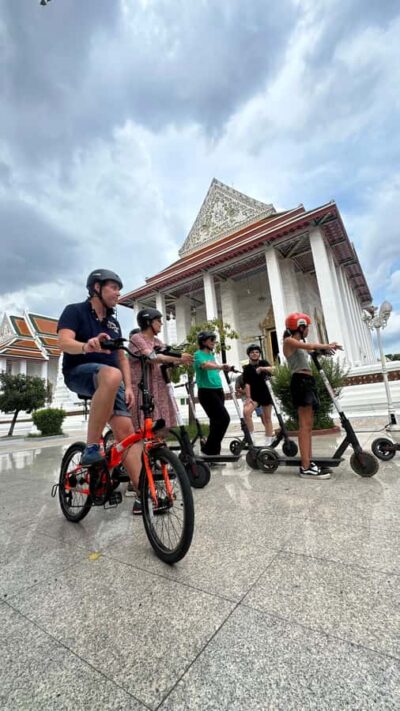
The opening section takes you through Thonburi toward Wat Kalayanamitr Varamahavihara. You spend about 30 minutes at the temple with a guided visit.
This is a useful early stop because it sets the tone for the rest of the route. You are not simply ticking off a famous monument. Your guide explains Buddhist traditions and points out details that are easy to pass without context. The temple also gives you a cultural anchor before the food stops begin.
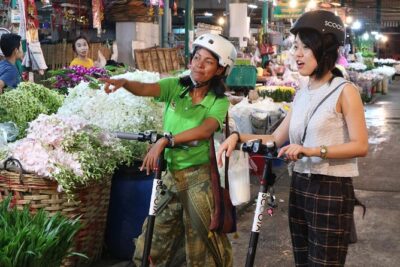
The local market visit is just as important. You try Thai fruits and watch how local people shop for daily food. This is a simple experience, but it tells you more about ordinary Bangkok life than a display of famous attractions can.
Fruit choices depend on what is available, so expect variety rather than a fixed tasting menu. The point is to notice how food is selected, sold, and eaten in a neighborhood market. This stop also helps you settle into the tour’s rhythm: ride, stop, taste, listen, and continue.
Riding the narrow lanes of old Thonburi
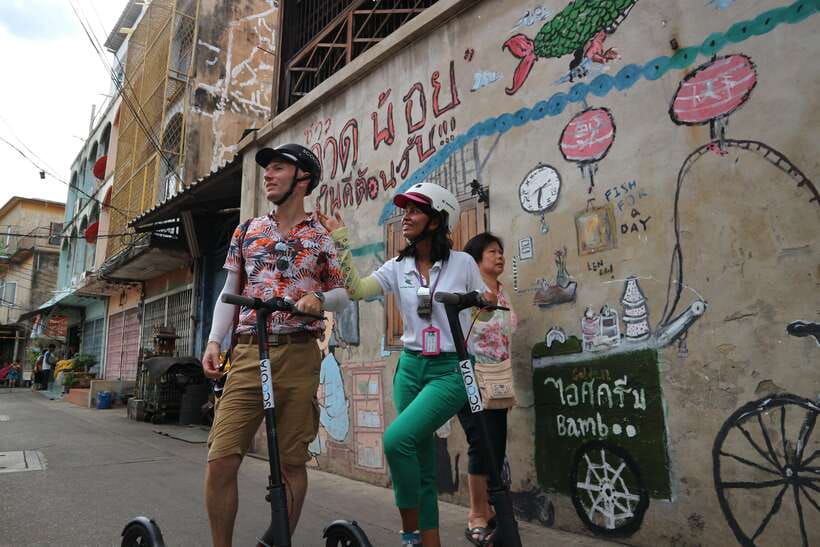
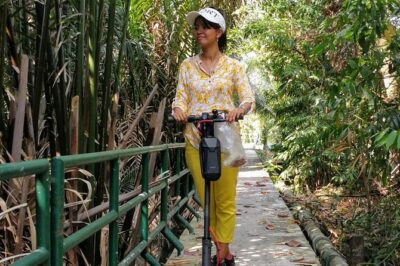
From the market, the route turns into Thonburi’s narrow alleyways. This is one of the tour’s strongest sections. The lanes show a side of Bangkok that most first-time visitors never reach, with local homes, small shops, religious sites, and everyday activity close to the pavement.
The scooter works well here because you can cover more ground without turning the ride into a long physical effort. You also get a sense of how the city changes from one street to the next. A main road may be noisy and crowded, while a narrow lane a few turns away feels quiet and local.
You should not expect pristine streets or a polished attraction zone. The appeal is the mixture of ordinary life, old buildings, small passages, and the occasional surprise. If you want only grand monuments and wide roads, this section may feel less comfortable. If you want to see how Bangkok is lived in, it is a major strength.
More countryside rides around Bangkok:
- Florence Vespa Tour: Tuscan Hills and Italian Cuisine
★ 5.0 · 4,019 reviews - From Florence: Tuscan Countryside Vespa Tour with Tastings
★ 4.9 · 701 reviews - Tuscany Vespa Tour: Lunch & Wine Tasting, Countryside Roads
★ 5.0 · 614 reviews - Tuscany Vespa Tours Through the Hills of Chianti
★ 5.0 · 515 reviews
Across the Memorial Bridge into Chinatown
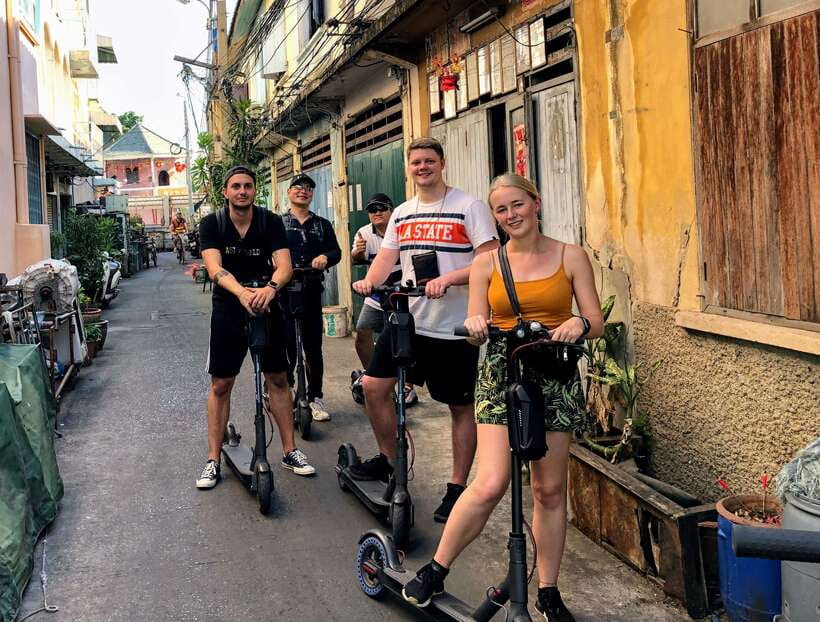
The route crosses the Chao Phraya via the Memorial Bridge, also known as Phra Phutthayotfa Bridge. The bridge is a practical link between the two halves of the tour, but it also gives you a brief change of view as you leave Thonburi and head toward Chinatown.
Chinatown brings a sharper change of mood. Here, your guide explains the role of Bangkok’s Chinese community and its influence on Thai food and culture. That context matters because the food stops are not random snacks. They connect to the people, migration, trade, and cooking traditions that shaped this part of the city.
You spend roughly 30 minutes in Chinatown, trying well-known street food and walking or riding through back streets. Foods reported on the route have included papaya salad, fried chicken, pork on skewers, Thai dumplings, and other local dishes. Portions are designed for tasting, not a full restaurant meal, but the variety can add up.
A useful feature is that the food is included. At $38 per person, that makes the price easier to judge, especially in a city where you could otherwise spend hours and several small payments finding similar snacks on your own. The route also saves you the work of deciding which stalls to trust and what to order.
One limitation is that the tour’s food style can vary. One rider would have preferred more eating directly at street carts rather than at a restaurant. If you want a pure street-food crawl, ask your guide what the current stops will be. The broader experience includes markets and local snacks, but it is not presented as a fixed restaurant-by-restaurant tasting menu.
Talat Noi and a second river crossing
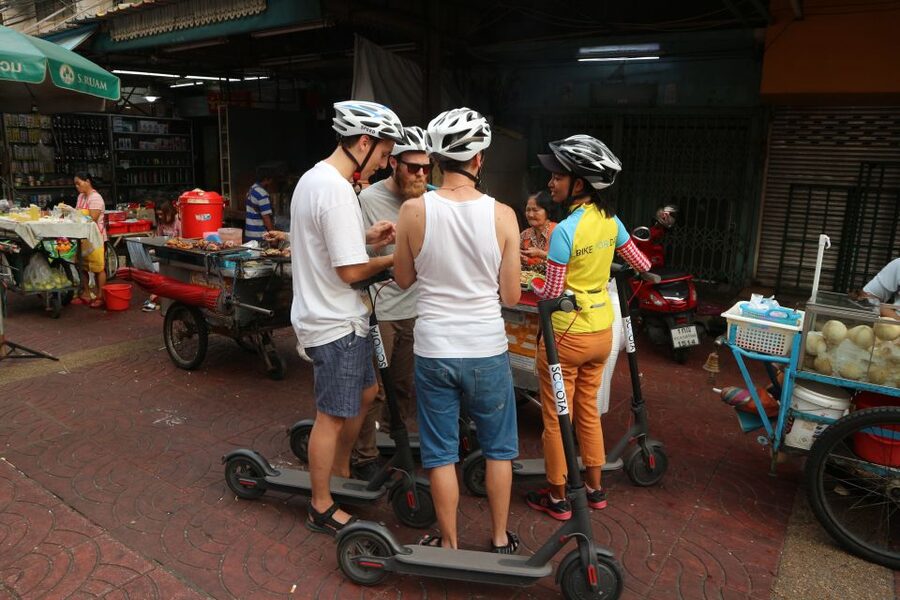
After Chinatown, you ride through the back streets and pass through Talat Noi. The itinerary gives this area about 10 minutes, so it is more of a photo and orientation stop than a full neighborhood visit.
That short pause still adds value. Talat Noi is part of old Bangkok’s riverfront story, and riding through it helps connect Chinatown with the wider network of historic communities beside the Chao Phraya. You see how quickly the city shifts from commercial lanes to quieter streets.
The return across the river is by local ferry. This is a small but memorable change from the bridge crossing. You get a closer look at river traffic and use the same transport that serves local residents. Ferry tickets are included, so you do not need to carry small change for this part.
If you dislike boats or feel uneasy managing a scooter near a ferry landing, tell your guide early. The route is designed for a small group, and the guides have a reputation for keeping less confident riders comfortable, but you still need to follow directions and stay aware of your surroundings.
Tha Din Daeng Market and the food of daily life
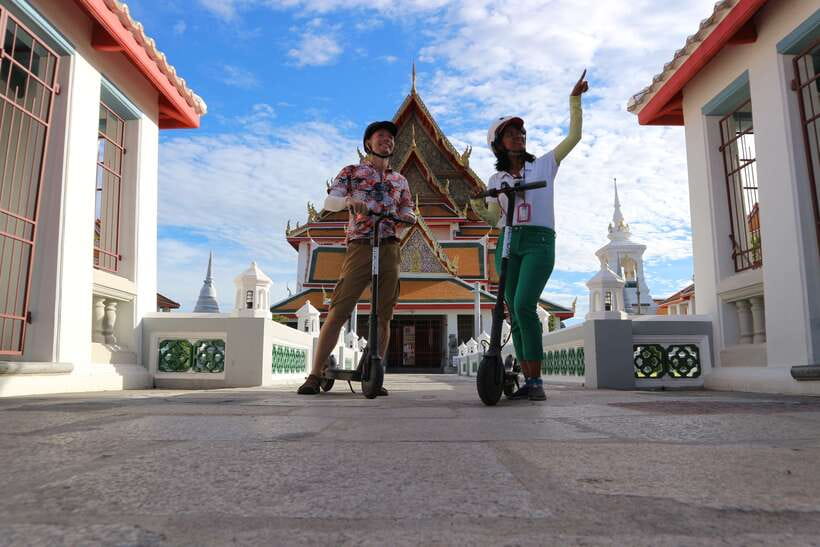
Tha Din Daeng Market is another 30-minute food stop. This is where the tour feels most like a neighborhood introduction rather than a standard sightseeing circuit.
You sample traditional Thai foods and see a market serving local residents. The experience is more useful if you pay attention to what people buy for meals, not just to the items placed in front of you. Your guide can explain ingredients, eating habits, and the difference between a snack and a proper meal.
The included tastings are a real part of the tour’s value. Food tours can become expensive when every sample is extra, but here street food and fruit are covered. You should still bring money for anything additional, though the supplied details do not promise extra purchases or a particular menu.
Expect flavors and textures that may be unfamiliar. A food allergy or dietary restriction could make the tasting portion harder, since no specific alternative menu is listed. Ask before booking if this is important to you.
Wat Prayoon and the turtle stop
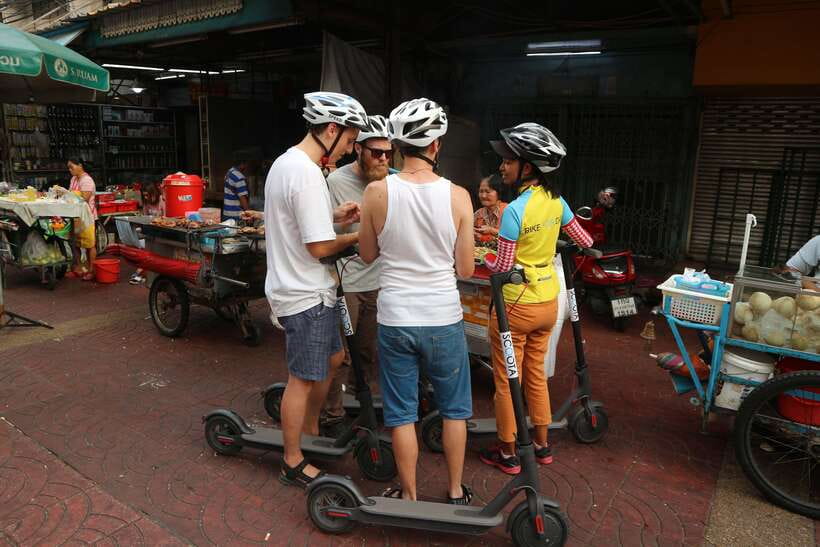
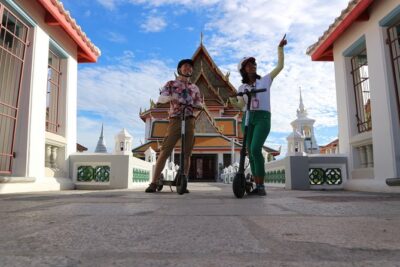
Wat Prayurawongsawat Worawihan, commonly called Wat Prayoon, receives about 20 minutes of guided attention. The stop combines temple architecture, local religious life, and a quieter patch beside the river.
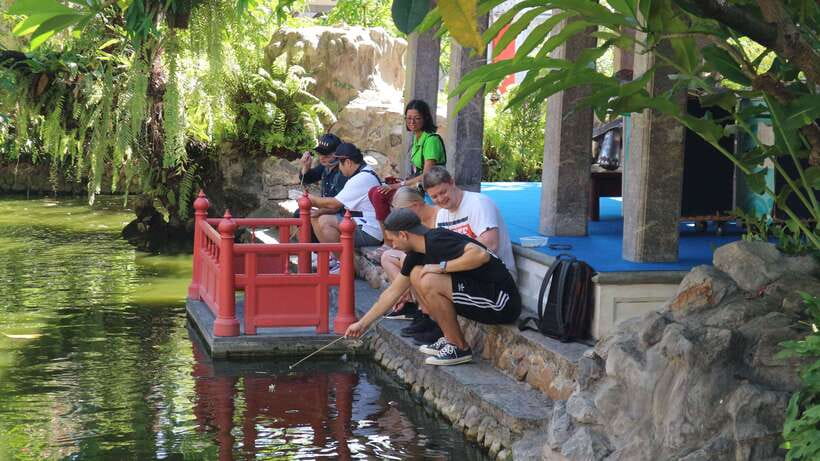
The turtles are the memorable detail. You can feed the friendly turtles living nearby, a simple activity that gives the stop a warmer, more personal feel than a quick temple photo. Several riders singled this out as a favorite part of the afternoon.
As with any religious site, listen to your guide about appropriate behavior and clothing. The supplied information does not list a strict dress code, but respectful clothing is a sensible choice for any temple visit. This is also a place to slow down after the roads and markets.
Kudeejeen, Santa Cruz, and Portuguese-influenced food
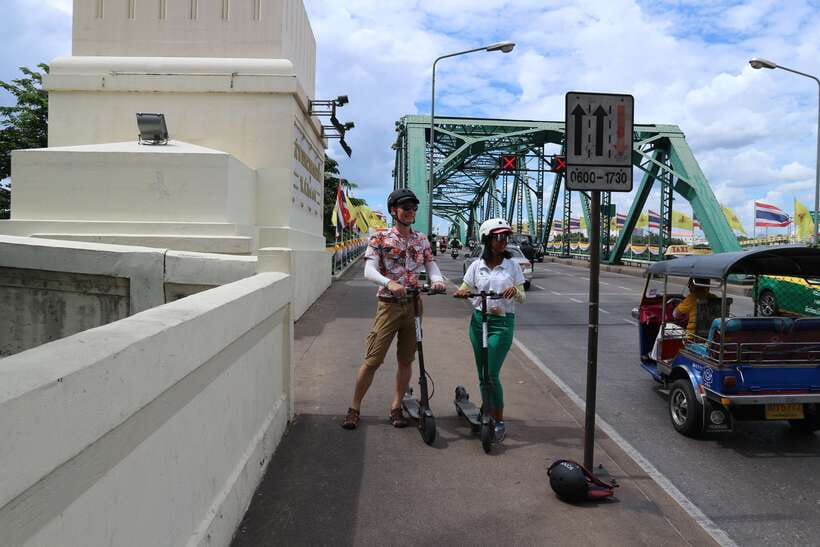
The Kudeejeen community is one of the most distinctive parts of the route. You stop in Soi Kudeejeen for about 20 minutes, with time for photos, a guided visit, and local snacks. You also pass or stop at Santa Cruz Church for a short photo visit.
Here, your guide explains how Portuguese colonizers influenced Thai food. You visit a local factory and try Kudeejeen muffins, a small cake associated with the community. This stop gives the tour a useful historical thread: Bangkok food is not shaped by one tradition alone. Thai, Chinese, Portuguese, and local riverside influences meet in the dishes you taste.
The narrow passages around the Portuguese quarter are also fun to ride. They are the kind of lanes you might not think to seek out on your own, even if you have visited Bangkok several times. The stop is brief, so treat it as an introduction rather than a full study of the community.
What the guides add to the ride
The guide can make or break an e-scooter tour. Here, the strongest praise centers on friendly personalities, clear English, local stories, safe riding, and thoughtful stops.
Jobe has been described as especially good at explaining Bangkok and taking photos. Pong is known for cheerful guiding, temple background, and bringing riders into places they might not reach alone. Phillip has helped less confident riders feel at ease and adjusted the experience to suit the group. Tony has led rides through less familiar food and neighborhood stops, while Tommy has explained Buddhism and its traditions during the route.
The assigned guide is not guaranteed, so book for the format and team rather than one specific person. English and Thai are offered. The group limit of eight is important because it lets the guide keep an eye on the riders, explain food clearly, and stop for photos without managing a large crowd.
Photos may be taken during the tour and, in some cases, sent afterward. That has happened with several guides, but it should be treated as a helpful extra rather than a formal inclusion.
Price, pace, and who should book
At $38 per person for three hours, this is a fair price for a small-group ride that includes the scooter, helmet, guide, insurance, ferry tickets, fruit, and street food. The value is strongest if you want variety. You get transportation, cultural stops, and food tasting in one outing rather than paying separately for a ride, a market visit, and a food tour.
The tour suits you if you:
- Want to see old and modern Bangkok in one compact route
- Enjoy trying small portions of local food
- Have limited time and want to cover more ground
- Like informal neighborhood experiences more than polished attractions
- Feel comfortable learning to ride an e-scooter
- Prefer a small group with room for questions
It may not suit you if you want a slow walking tour, a fixed gourmet menu, or a completely traffic-free outing. The minimum age is 14, minimum height is 140 centimeters, and maximum weight is 120 kilograms. People with mobility impairments and pregnant women should choose another activity.
The tour lasts three hours, but Bangkok traffic can make the overall commitment longer. Free cancellation is available up to 24 hours before departure, and you can reserve now and pay later, which helps if your schedule is still shifting.
Should you book this Bangkok e-scooter tour?
Book it if you want a practical introduction to Bangkok that combines movement, food, temples, and ordinary neighborhoods. The best parts are the back lanes of Thonburi, the market tastings, the ferry crossing, the turtle stop at Wat Prayoon, and the Kudeejeen story.
I would especially recommend it early in a Bangkok stay. It gives you a map of the city’s different communities and helps you understand how the river, markets, temples, and food traditions fit together. You should skip it only if scooter riding makes you nervous, you need a fully accessible route, or your main goal is a long sit-down food meal rather than a moving city tour.
FAQ
How long is the Bangkok e-scooter tour?
The tour lasts three hours, with stops for food, fruit, temples, markets, photos, and local explanations.
Where does the tour begin?
It starts at Jamming Thailand Bangkok, near Itsaraphap MRT station. Use exit 2, walk to Soi 23, and continue past Achcha Coffee to the office with bikes outside.
What food is included?
Fruit and street food are included. Tastings can include Thai market foods, Chinatown snacks, traditional dishes from Tha Din Daeng Market, and Kudeejeen muffins.
Is the ferry ride included?
Yes. Ferry tickets are included, and the route uses a local ferry to cross the Chao Phraya after visiting Chinatown.
What are the age, height, and weight limits?
The minimum age is 14, the minimum height is 140 centimeters, and the maximum body weight is 120 kilograms.
Can I cancel or pay later?
You can cancel up to 24 hours before the activity for a full refund. You can also reserve now and pay later.
Freshly added rides around Bangkok
- Explore Bangkok by E-Scooter & Try Street Food★ 5.0 · 40 reviews
- Vintage Scooter Bangkok Tour on Weekday (City Route)★ 5.0 · 2 reviews
- Electric Scooter Tour of Bangkok★ 4.5 · 6 reviews
- Bangkok Classic E-Scooter &/or Bike Trip★ 5.0 · 6 reviews
- Take a E-Scooter Ride in Bangkok’s Jungle★ 5.0 · 11 reviews
- Electric Scooter Tour of Bangkok★ 5.0 · 21 reviews
- Bangkok by Night with Escooter &/or Bike★ 4.5 · 4 reviews
- Bangkok: Street Art e-Scooter Tour of Chinatown★ 4.8 · 7 reviews
Bangkok Scooter Tours, compared.
Bangkok: E-Scooter Night Tour with Local Street Food
Read our review →
Bangkok : Old City Guided E-Scooter &/or Bike Tour
Read our review →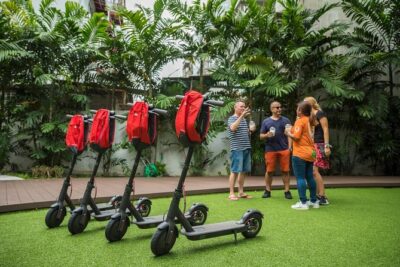
Other lists with this scooter ride